

Business Systems Integration
Built-in web services and APIs provide easy integration to almost any business system.
- Most Major ERPs
- Open Web Services
- GTIN and Label Software
- FedEX Shipping
- KanBan
- Kepware
- SQL & Oracle Databases
- MES/WMS Systems
- ADP/Payroll/HR
- Systems/QuickBooks
- Custom APIs, Business Applications & Screens
- Legacy Systems
- RESTful API
How Else Can Radley Help You?
Benefits of Radley Systems Integration
Radley’s System Integration services connects your software and streamlines data management. As a result, you can reduce costs and gain real-time visibility to your business functions.
- Reduce Operational Costs from Maintaining Separate Systems
- Make Informed Business Decisions by Eliminating Data Silos
- Boost Efficiency by Ending Manual Data Entry
Integration Experts
With over 45 years’ experience, and hundreds of integrated systems, to work for you. Radley ensures a smooth integration process with proven results.
Our flexible systems integration solutions let you manage data according to your business objectives. Simply build a gateway from one system to another. Or use Radley’s server to gather data and view it in an easy-to-use dashboard.
- Point to Point Integration
- Horizontal Integration
- Vertical Integration
- Spaghetti Integration
- Star Integration
- Not locked into specific integration protocols
- Use existing APIs, use Radley’s development, or we’ll work with your developers
ERP Integration
Radley lets you make the most of your enterprise resource planning (ERP) system. Does your ERP application lack the functionality you need? Fill in the gaps, streamline and automate business processes, all without costly customization.
Choose from our scalable and configurable software solutions to meet your unique needs. Integrate to your ERP system for a single system of record. Plus, Radley provides a single source for your hardware, software, training and support.
Integrations Made Easy
Radley’s platform of solutions integrates seamlessly with today’s top ERP and back end systems.


Automate workflows, streamline operations and combine tasks. All this within a Cityworks-centric environment!
Based on your business logic, Radley combines tasks into one simple workflow. We built our user interface for worker productivity, easy to use and multi-lingual.
Radley makes it easy to streamline data entry and automate material handling transactions. Users follow the simple prompts as Radley technology validates data and processes transactions.
Seamless ERP Integration & Innovative Technology
Radley provides a complete productivity solution for public agencies, based on your unique workflows. Choose from our platform of solutions, including bar coding and/or RFID software. With intelligent prompting, you can validate your data against the Cityworks database.
Radley's Storeroom+ Platform for Cityworks
Updates are made with each transaction as it happens—in real time. Streamline Storeroom processes, track tools and equipment, even integrate automated labeling!
Experts in the Industry
Unlike the competition, we are not just a barcode data collection provider. Radley’s comprehensive platform of solutions, services and hardware boosts your productivity. Let us share our experience with you for a seamless ERP integration to Cityworks.
Functionality Highlights
- Automate Storeroom Functionality
- Utilize Bar Code Scanning and/or RFID Technologies
- Integrate Your Inventory/Asset Label Printing
- Prioritize Worker Tasks & Execution
- Leverage EDI To Automate Purchase Orders & Process Invoices
- Integrate Labeling & Regulation Compliance
- Gain Real-Time Inventory & Asset Visibility
- Automate Employee Labor Time Tracking
Read the Case Study
Solutions for Tekla® PowerFab (Formerly FabSuite) - Mobile Data Collection & More

Mobile Data Collection & More
Radley’s integrated barcode data collection is a configurable and scalable solution. Automate Tekla PowerFab piece tracking and shipping transactions to streamline your operations.
Identify each piece as it moves through production using barcodes generated from PowerFab. Easily capture and communicate data in your manufacturing operations into the Tekla database. All this with simple scans from a mobile device!
We can help you determine the right solution that will fit your needs. We make it easy to track material location and status, measure productivity, or automate receiving and shipping.
Radley's Solution Platform for Tekla PowerFab
- JobSite Tracking
- Barcoding
- Labor Tracking
- Business Activity Monitor
- Traceability
- Hardware & Devices
Are You Looking for...
- Visibility to Asset and Container location?
- Streamlined data entry and automated operations?
- Integrated label printing?
- Load validation to eliminate shipping errors?
- Real-time work-in-progress (WIP) tracking?
- Building Information Management (BIM)
How Your Business Can Benefit
- Eliminate shipping errors with validated data, automated processes
- Reduce production time while increasing production volume
- Improve visibility to material location and status
- Streamline Shop Floor execution
Seamless Integration & Innovation
Radley’s data collection software provides a complete productivity solution for steel fabricators. Integrate to Tekla PowerFab for real-time updates with each transaction as it happens.
Confirm material receiving and piece tracking data against your business system. Also, streamline shop floor processes including work orders and reporting.
As a result, you can to take action while it still matters. For example, account for every assembly while validating and recording all shipments. Let us share our experience with you for a seamless Tekla PowerFab MRP system integration.
Experts in the Steel Industry
Our team of in-house experts has extensive knowledge of the structural steel industry. We’re your full service supplier, providing consulting, configuration, training and support.
Radley serves Fabricators, Erectors and Steel Product Manufacturers around the world. Count on Radley to improve processes and expand existing Tekla PowerFab functionality.
Extend & Enhance Your ERP System

Extend & Enhance Your ERP System
Radley software solutions fill the gaps between your workflows and IFS functionality limitations. Don’t be restricted by IFS processes. Let Radley help you configure a solution to fit your business needs!
Radley Solution Platform
Unlike the competition, we are not just a TE barcode data collection provider. Our solutions update IFS in real-time. At the same time, Radley preserves your configured rules and business logic.
Radley solutions are easy to use. First, a multi-language user interface is perfect for a diverse workforce. Plus, Radley software is compatible for use on mobile devices. Finally, the software provides a wide variety of industry-specific capabilities.
Industry Experts
Our consultants have traveled all over the world helping manufacturers like you. Radley solutions reduce costs and increase the efficiency of IFS Applications™. Let us share our knowledge & experience with you for a seamless ERP system integration to IFS.
Real-Time WMS Functionality
- Quickly process high volume of transactions
- Improve Warehouse/Distribution functionality
- Reservation Management
- EDI inbound & outbound transactions
- Legacy system integration
- Meet serialization & Traceability requirements
- Mobile scanning and integrated label printing
- Transport Task Management
- Flexible & selective license plating
Read Some of Our Case Studies
Extend & Enhance Your ERP Functionality

Extend & Enhance Your ERP Functionality
Radley’s proven software solutions increase QAD functionality. Also, our software doesn’t restrict you to QAD’s processes. Let Radley configure a solution based on your workflow, deployed on premise or on QAD’s cloud.
Real-Time WMS Functionality
- FedEx Shipping Integration
- Streamlined Shipping
- Simplified Backflush
- QA and Line-Side Checks
- Real-Time Transaction Processing
- Flexible Label Design
- Machine Stat Reporting
- Labor & Productivity Data
- Fully Integrated Data Collection
- Ensure Regulatory Compliance
Solutions for QAD Enterprise Applications
- Capture True Production Labor Time
- Track Returnable Containers
- Configure Integrated Labels
- Source Hardware & Software from a Single Vendor
- Create Kits of Components for Assembly
- Track & Trace Materials throughout your Process
Radley Solution Platform
End error-prone manual tasks, streamline processes and boost productivity! Radley’s fully configurable and scalable platform has the solution. QAD integration with Radley solutions fills the gaps in your ERP’s functionality.
Industry Experts
Our consultants have traveled all over the world helping manufacturers like you. Radley solutions reduce costs and increase the efficiency of QAD Applications.
Let us share our knowledge & experience with you for a seamless ERP system integration to QAD. Talk to a Product Specialist today.
Read the Case Study
Total EDI Solutions

Total EDI Solutions
Powerful and cost-effective EDI solutions! iR*EDI for B2B manages trading partner data exchange and tracks related activities. iCARaS meets automotive EDI requirements and lets you boost efficiency and productivity.
Radley's Solution Platform for APTEAN DTR
- IR*EDI
- iCARaS
- Business Activity Monitor
- iSC Supplier Collaboration
Functionality Highlights
- Trading Partner Compliant Mapping
- Flexible Deployment Options
- Automotive Release Management
- Support for All Major EDI Standards
- VAN Services
- Document Archive, Transaction History
- EDI Managed Services
- Relieve strain on IT resources
Business Activity Monitor
Industry Experts
Radley’s in-house team provides consulting, software configuration, implementation, training and support. Our consultants have traveled all over the world helping manufacturers like you.
Use EDI, MES and Warehouse Automation to reduce costs and increase efficiency. Let us share our knowledge & experience with you for a seamless ERP system integration to Aptean.
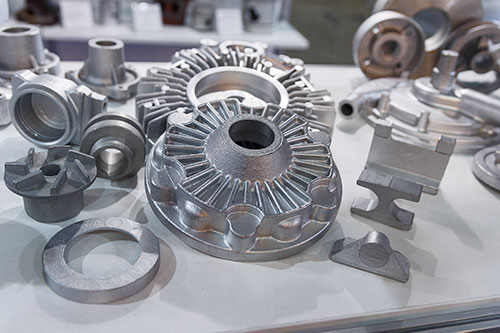
EDI Services for Metalcasters
EDI Services for Metalcasters
Optimize your order fulfillment and receiving processes. Plus, add efficiency, cost savings and accuracy into the buyer-supplier relationship.
Powerful and cost-effective! Radley’s EDI for B2B solution provides users with real advantages now. Then positions them for growth in the future, with support for XML and Web services.
Are You Looking For...
- Trading Partner Compliant Mapping
- Flexible Deployment Options
- Automotive Release Management
- Support for All Major EDI Standards
- VAN Services
- Document Archive, Transaction History
- EDI Managed Services
How Your Business Can Benefit
- Increase visibility into daily operations
- Eliminate manual intervention
- Reduce redundancy
- Identify & resolve inefficiencies
- Relieve strain on IT resources
Experts in the Industry
Radley’s in-house team provides consulting, software configuration, implementation, training and support. Our consultants have traveled all over the world helping manufacturers like you.
Use EDI, MES and Warehouse Automation to reduce costs and increase efficiency. Let us share our knowledge & experience with you for a seamless ERP system integration to B&L.
Solutions for Epicor ERP Software

Solutions for Epicor ERP Software
Radley’s integrated products for Epicor ERP users gives you the control over your processes that most ERPs take away. Based on your business logic, Radley consolidates many tasks into one simple workflow. All this without costly consulting services and customizations.
We built our user interface for worker productivity, easy to use and multi-lingual. Users follow the simple software prompts to streamline data entry and daily operations. Radley technology validates data and processes Epicor transactions at the same time.
Radley's Solution Platform for Epicor ERP
- Inventory Control
- Asset Management
- Kitting & Containerization
- Labor Tracking
- Ecommerce EDI
- Task Management
Are You Looking for
- Ways to collect, track, and chart manufacturing data while calculating key performance metrics
- Automated data collection, inventory control and asset management
- Real-time, accurate reporting from a user-friendly interface
- Ways to simplify box scans and build up pallet/container relationships?
- Elimination of manual entry processes, hand written lists and tribal knowledge
- Ways to integrate EDI transactions and collaborate with suppliers

Radley surpasses the data capture capabilities of standard Epicor ERP functionality. With intelligent prompting, your data can be validated against the Epicor database. Update Epicor with each event or transaction as it happens, in real time.
Automate warehouse and manufacturing tasks while maximizing your resource time. Perform inventory inquiries and reprint labels all from a mobile computer or handheld device.
With EDI integration to Epicor, you can easily manage EDI transactions and collaborate with your suppliers. Choose from on-premise, on-demand, or Cloud deployment.
Seamless ERP Integration & Innovative Technology
How Your Business Can Benefit
- Reduce labor expenses
- Decrease data errors
- Achieve ROI on your Epicor investment
- Optimize workflows based on your business
- Reduce audit risks
- Increase efficiency
- Add Real-Time Inventory Visibility
- Minimize scans/transactions
Experts in the Industry
Unlike the competition, we are not just a barcode data collection provider. We provide a platform of solutions, services and hardware to help you grow your business.
Let us share our knowledge & experience to help you find solutions to reduce costs and increase efficiency. Add your choice of Radley solutions with seamless integration to Epicor ERP.
Solutions for Infor CloudSuite™ Industrial (Syteline)

Solutions for Infor CloudSite™ Industrial (Syteline)
Productivity for Discrete Manufacturing Environments
Streamline and error proof your processes. At the same time, deliver the real time information that’s critical to your business. Based on your business logic, Radley consolidates many tasks into one simple workflow.
Real-Time Validation & Communication
Seamless ERP Integration & Innovative Technology
Radley updates Infor while preserving your configured rules and business logic. Also, Radley has flexibility required by multi-site manufacturers. You can install and manage our software centrally or at each individual location.
We built our user interface for worker productivity, easy to use and multi-lingual. Plus, interface is compatible for use on mobile devices.
Business to Business EDI
Easily manage EDI transactions and collaborate with your suppliers. Choose from on-premise, on-demand, or Cloud deployment.
- Reduce labor expenses
- Decrease data errors
- Reduce production time
- Increase efficiency
- Simplify inventory counting
- Interface across systems: RFID, PLCs, Scales & more

Experts in the Industry
Radley offers solutions, services and hardware to help you grow your business. Our in-house experts can provide solutions to help you reduce costs & increase efficiency. Let us share our knowledge & experience with you for a seamless ERP integration to Infor CloudSuite CSI.
Functionality Highlights
- Automate Shop Floor Reporting
- Track WIP (Work in Progress)
- Track Assets & containers
- Automate Task Generation & Assignment
- Produce Real-time, Accurate Reports
- Stage Production Orders
- Comply with GHS Labeling Standards
Read the Case Study
Mobile Data Collection & EDI Integration

Mobile Data Collection & EDI Integration
Radley’s solutions for JD Edwards fill gaps in your ERP to help you manage demand and automate processes. Plus, you’ll reduce errors and increase customer satisfaction, all while reducing costs. Based on your business logic, Radley consolidates many tasks into one simple workflow.
Radley's Solution Platform for JD Edwards
- Integrated Data Collection
- Asset Tracking
- Product Traceability
- Task Management
- Ecommerce EDI
- Inventory Control
Are You Looking for...
- Real-time, accurate reporting from a user-friendly interface
- Configurable Barcode Data Collection
- Asset Tracking & Container Management
- Standard EDI Product & Integration
- EDI Managed Services (EMS)
How Your Business Can Benefit
- Increase visibility into daily operations
- Relieve strain on IT resources
- Comply with industry, customer and government requirements
- Gain higher customer satisfaction rates
- Decrease errors with validated data & automated processes
Real-Time Validation & Communication
Capture and confirm every step from receiving, to production, picking and shipping. Then, validate your data against the JD Edwards database. Plus, make real-time updates with each transaction as it happens.
Fully Integrated EDI
Seamless ERP Integration
Radley updates JD Edwards while preserving your configured rules and business logic. Also, Radley has flexibility required by multi-site manufacturers. You can install and manage our software centrally or at each individual location.
We built our user interface for worker productivity, easy to use and multi-lingual. Our easy-to-use, multi-language interface is compatible for use on mobile devices.
Solutions for Oracle E-Business Suite - Mobile Data Collection & More

Mobile Data Collection & More
Radley’s integrated products for Oracle EBS give you the control over your processes. You don’t have to force your workers to step through multiple menus and tasks to perform an event.
Based on your business logic, Radley consolidates many tasks into one simple workflow! We built our user interface for worker productivity, easy to use and multi-lingual. Users follow the simple software prompts to streamline data entry and daily operations. Radley technology validates data and processes Oracle transactions at the same time.
Radley's Solution Platform for Oracle EBS
- Data Collection
- Traceability
- Kitting & Containerization
- Labor Tracking
- Human/Machine interface
- Task Management
- Machine Monitoring
- Ecommerce
How Your Business Can Benefit
- Reduce labor expenses and associated employee costs
- Decrease errors with validated data, automated processes
- Achieve a greater ROI on your Oracle investment
- Optimize workflows based on your business, not Oracle
- Comply with industry, customer and government requirements
- Increase efficiency and have less waste
- Grow your business without increasing carrying costs and labor
- Gain higher customer satisfaction rates
Seamless ERP Integration & Innovative Technology
Radley uses Oracle APIs for a seamless integration. The software updates Oracle while preserving your rules and business logic. Also, Radley has flexibility required by multi-site manufacturers. You can install and manage our software centrally or at each individual location.
Real-Time Validation & Comunication
Radley surpasses the data capture capabilities of standard Oracle E-Business Suite. Validate your data against the Oracle database with intelligent prompting. Updates are made with each event or transaction as it happens, in real time.
Maximize your resource time and ensure the accuracy of data. Automate time consuming inventory & counting tasks. For example, perform inventory inquiries and reprint labels all from a mobile device!
Put Radley to work for you. Let us solve your most complex problems. For instance, we’ve helped companies like yours display units of measure within transactions. Thus, simplifying the receipt, movement and shipping of raw materials.
Experts in the Industry
Unlike the competition, we are not just a barcode data collection provider. Radley’s solutions, services and hardware help you grow your business. We’ll provide software solutions to reduce costs and increase efficiency.
Radley serves customers around the world and in a variety of verticals:
- Automotive
- General Manufacturing
- Medical and Pharmaceutical
- Food Processing
You can count on us to offer innovative ideas to improve your processes and expand your existing Oracle EBS functionality. Let us share our knowledge & experience with you for a seamless ERP system integration to Oracle EBS.
Are You Looking for...
- Ways to collect, track, and chart manufacturing data while calculating key performance metrics?
- Would you like to automate data collection?
- Do you need to integrate EDI inbound and outbound transactions?
- Are you looking for ways to simplify box scans and build up pallet/container relationships?
- Would you like to eliminate manual entry processes, hand written lists and tribal knowledge?
- Do you need to provide costing for WIP regardless of backflush point?
Solutions for SAP Business One

Manufacturing Productivity for the Automotive Industry
As a supplier, you face constant requirements by automotive manufacturers, and OEMs. To address them, you need an EDI solution that can quickly respond to each customer’s demands. Plus, it must be flexible to the scheduling demands of the “just-in-time” marketplace.
We realize speed and efficiency is paramount, and no company can afford to be complacent. With iCARaS, you not only can meet your automotive EDI needs but also reach your goals for efficiency and productivity.
Radley's Solution Platform for SAP Business One
- iR*EDI
- iCARaS
- iSC Supplier Collaboration
- Supply Chain Solutions
How Your Business Can Benefit
- Increase visibility into daily operations
- Eliminate manual intervention
- Reduce redundancy
- Identify & resolve inefficiencies
- Relieve strain on IT resources
Real-Time Validation & Communication
Capture and confirm every step from receiving, to production, picking and shipping. Then, validate your data against the SAP database. Plus, make real-time updates with each transaction as it happens.
Experts in the Industry
Radley’s in-house team provides consulting, software configuration, implementation, training and support. Our consultants have traveled all over the world helping automotive manufacturers like you. Use EDI, MES and Warehouse Automation to reduce costs and increase efficiency.
An active member of AIGA, Radley serves on the MMOG/LE committee. Plus, we offer a Honda Certified EDI solution.
Are You Looking for...
- Trading Partner Compliant Mapping
- Flexible Deployment Options
- BAM Real-time Dashboard
- Support for All Major EDI Standards
- VAN Services
- Document Archive, Transaction History
- Configurable Barcode Data Collection
Fully Integrated EDI
Radley Corporation provides a comprehensive, fully ERP integrated EDI solution for SAP users. We designed iCARaS and iR*EDI to lower your cost of EDI ownership, meet trading partner requirements and enhance workflows.
Control and manage every aspect of your automotive workflow. It’s easy with our powerful interface and automated tools.
Also, Radley helps lower your EDI costs with pre-configured trading partners. They’re certified and ready-for-use at a standard price. As your OEM’s requirements change, we provide updates as part of your standard maintenance agreement.
Don’t see your enterprise resource planning (ERP) software?
Talk to a Product Specialist to learn how Radley can help you with business system integration.